This article delves into the intricate world of Supply Chain Logistics, a critical component that ensures the seamless movement of goods and services. Supply chain logistics involves the management of the flow of goods, data, and funds from the point of origin to the consumer, utilizing various processes and methods to optimize efficiency, reduce cost, and meet the demands of the global market.

In today's fast-paced global economy, supply chain logistics stand as the backbone that supports the dynamic flow of goods and services. The concept encompasses a broad array of activities, including transportation, warehousing, inventory management, and order processing, all aimed at ensuring that products are available where and when needed. This article provides a comprehensive exploration of supply chain logistics, illustrating its vital role in maintaining the rhythm of economic activity. As globalization intensifies and e-commerce flourishes, understanding the intricacies of supply chain logistics has never been more crucial for businesses aiming to thrive.
The primary goal of supply chain logistics is to streamline operations ensuring efficiency and cost-effectiveness. By optimizing each aspect of the supply chain, businesses can significantly enhance their responsiveness to market demands. This is crucial in a global market where competition is fierce and customer expectations are continually evolving. Successful supply chain logistics can reduce operational costs, improve customer satisfaction, and provide a competitive edge. Furthermore, effective supply chain management can lead to enhanced visibility, aiding organizations in monitoring performance, making proactive decisions, and rapidly responding to unexpected disruptions.
In a rapidly changing world, supply chain logistics face numerous challenges, including:
To overcome these challenges, businesses must focus on continuous improvement driven by data and analytics. Innovative strategies such as Just-in-Time (JIT) inventory, lean manufacturing, and the use of third-party logistics providers can greatly enhance operations. Another strategy gaining traction is the implementation of Supply Chain 4.0 principles, which integrates digital technologies and practices into supply chain management. This evolution enables real-time data analysis, predictive modeling, and improved customer engagement through personalized supply chain solutions.
Examining real-world applications provides insights into effective logistics strategies:
| Company | Logistics Strategy | Outcome |
|---|---|---|
| Amazon | Integrating advanced robotics and AI in warehouses to enhance order processing speed. | Reduced shipping times and improved customer satisfaction. |
| Walmart | Utilizing data-driven analytics for better inventory management and stock replenishment. | Significant cost savings and minimized stockouts. |
| DHL | Implemented green logistics initiatives, focusing on sustainability in transportation and packaging. | Enhanced brand image and customer loyalty through eco-friendly practices. |
| Zara | Adopted a fast fashion model with rapid turnaround times from design to retail. | Significantly shortened product lifecycle and increased market adaptability. |
| Apple | Leveraged a tightly controlled supply chain model, coordinating closely with suppliers for just-in-time production. | Maintained high product quality and rapid product releases. |
The landscape of supply chain logistics is increasingly shaped by technological innovations. As businesses aim for greater efficiency, several emerging technologies are proving to be game-changers:
Implementing best practices in supply chain logistics can yield significant benefits:
Supply chain logistics is an ever-evolving field that requires adaptability and foresight. As the world edges towards greater interconnectivity, businesses must innovate and embrace new technologies to stay competitive. The future will see more reliance on automation, AI, and data-driven decision-making, aiding companies in building resilient and responsive supply chains. Those who can harness the power of logistics are positioned to lead in the global market, achieving efficiency, sustainability, and customer satisfaction. In light of these developments, companies must commit to continuous learning and improvement, fostering a culture that embraces change while strategically positioning themselves for future challenges.
Continuous evolution in supply chain logistics is influenced by several industry trends. Here are a few that are shaping the future:
As we look forward, organizations must adapt to these trends and prepare for new challenges in the realm of supply chain logistics. Proactively investing in the latest technologies, embracing sustainability, and fostering collaborative relationships will be key to thriving in the global market. By maintaining agility and embracing innovative strategies, companies can ensure they remain competitive and responsive to the ever-evolving requirements of their customers. The future of supply chain logistics is not just about managing the movement of goods, but also about creating lasting connections with customers, stakeholders, and the environment.
Striking the Perfect Balance: Navigating Premiums and Out-of-Pocket Expenses in Senior Insurance Plans

Explore the Tranquil Bliss of Idyllic Rural Retreats

How to Make Lasting Memories at Disneyland Attractions

Ultimate Countdown: The 20 Very Legendary Gaming Consoles Ever!

Understanding Halpin and its Influence

Affordable Full Mouth Dental Implants Near You

Unlock the Top Kept Secrets to Finding Your Ideal Dentist for Flawless Dental Implant Results!

Discovering Springdale Estates

Illinois Dentatrust: Comprehensive Overview

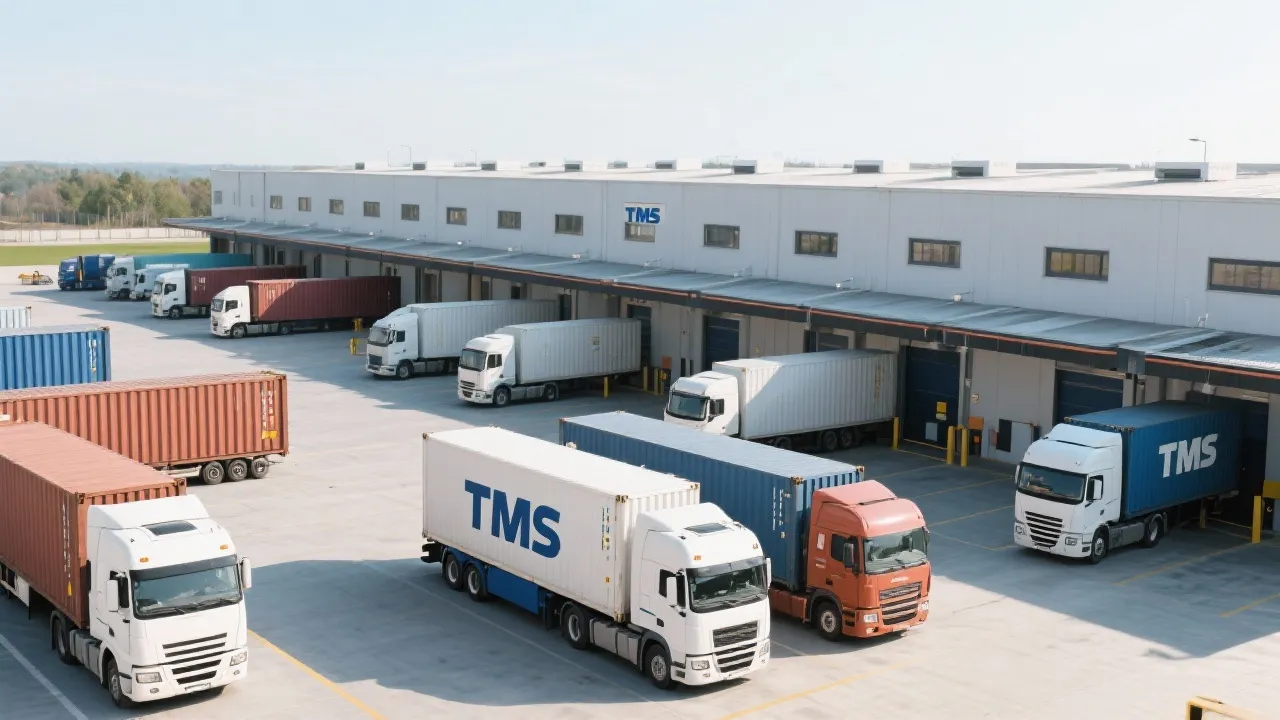
Understanding Tms Freight Services
Tms Freight services play a pivotal role in global logistics, ensuring efficient and reliable transportation of goods. With advancements in technology, freight services have seen significant improvements in efficiency, tracking, and delivery. Tms Freight is at the forefront of these innovations, offering comprehensive solutions that cater to various industries, enhancing the supply chain's effectiveness.
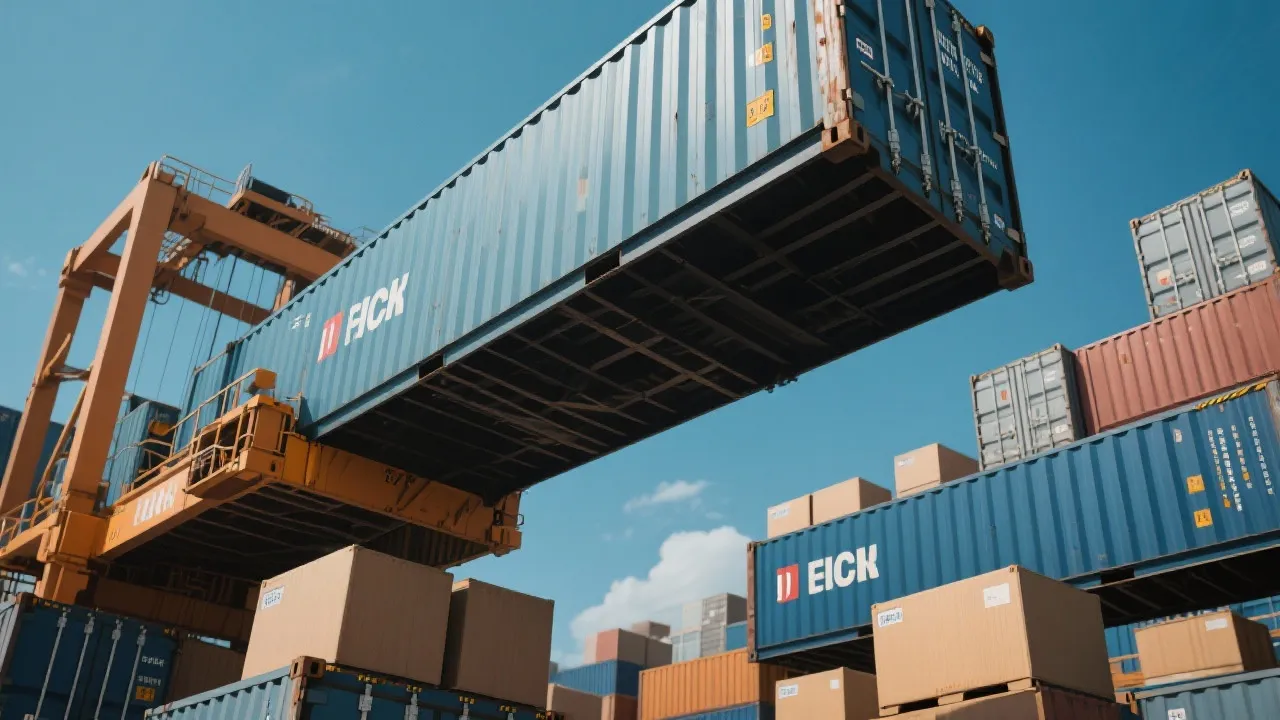
Understanding TMS in Freight Logistics
This guide provides an in-depth look into TMS Freight, a vital component of modern logistics. Transportation Management Systems (TMS) streamline freight operations, ensuring efficient movement of goods along supply chains. These systems offer crucial functionalities, including route optimization, load planning, and real-time tracking. Understanding the role and impact of TMS in freight logistics allows businesses to enhance their supply chain efficiency and customer satisfaction, making it a pivotal tool in the industry.

Exploring Norc St Louis
This article delves into Norc St Louis, exploring its dynamic role within the city's diverse cultural and architectural heritage. Norc, or Naturally Occurring Retirement Community, represents a unique blend of history and modernity, offering abundant opportunities for residents and visitors alike. Learn about the area's historical landmarks and vibrant local culture that make Norc St Louis a distinct part of the city.

Discovering Norc St Louis: A Community Overview
Norc St Louis offers a glimpse into a vibrant community characterized by its unique cultural heritage and evolving urban landscape. Nestled nearby to several key areas, Norc is renowned for its diverse populace and historical significance. This article explores the facets that make Norc St Louis a distinctive part of the broader urban tapestry, including its economic contributions, community initiatives, and local attractions.
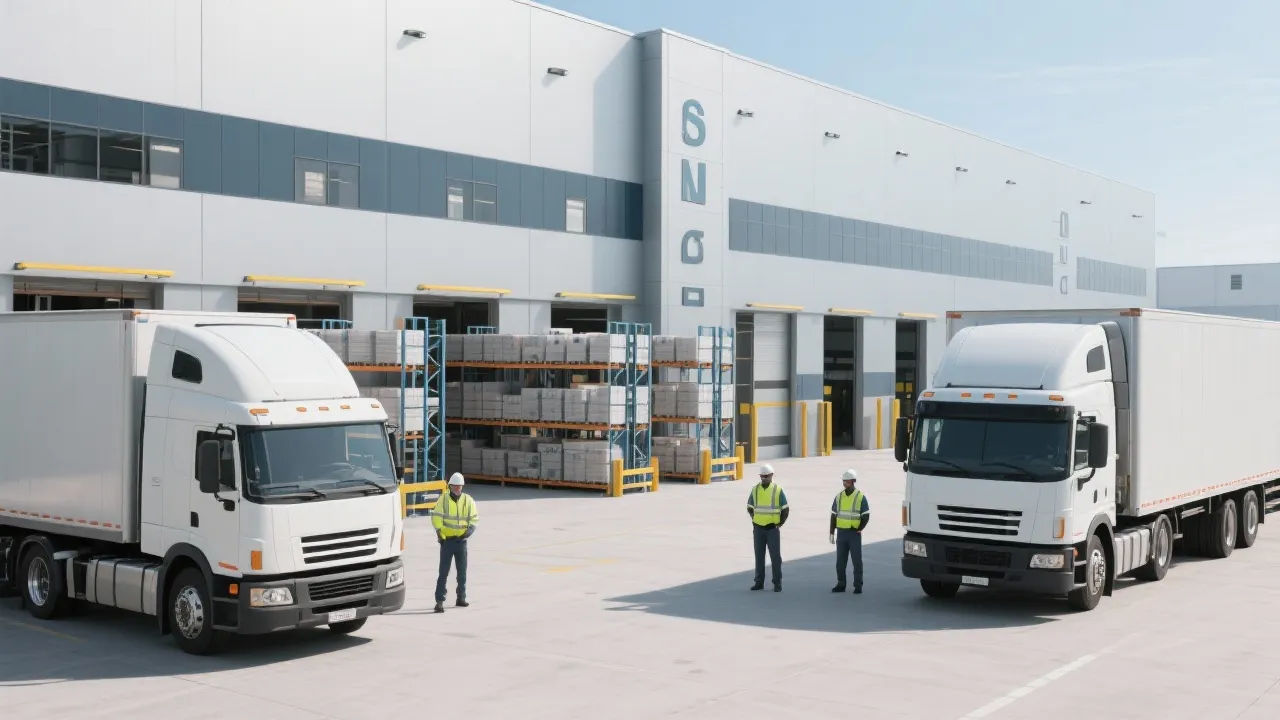
Mastering Logistics with SBS 3PL Services
SBS 3PL services are pivotal in logistics and supply chain management, offering businesses extensive solutions to streamline operations and improve efficiency. Companies use SBS 3PL services to outsource various supply chain functions, benefiting from their expertise and infrastructure. This article explores the advantages and operational aspects of employing SBS 3PL solutions.

Navigating the World of SBS 3PL Logistics
This insightful article delves into the intricacies of SBS 3PL, a vital component in the logistics and supply chain sector. SBS 3PL services are pivotal in optimizing supply chain operations by offering tailored third-party logistics solutions, ensuring businesses enhance efficiency and focus on core competencies. This piece explores the functionalities, advantages, and strategic implementations of SBS 3PL within modern commerce frameworks.
